
Home Doctors: Advantages, Limitations, and When to Request Them

Home doctors have experienced a notable resurgence in recent years in Spain, transforming from a traditional practice into a modern and sophisticated service that responds to the changing needs of patients. This healthcare model brings medical consultations directly to the patient’s home, eliminating mobility barriers and offering a practical alternative to traditional hospital visits.
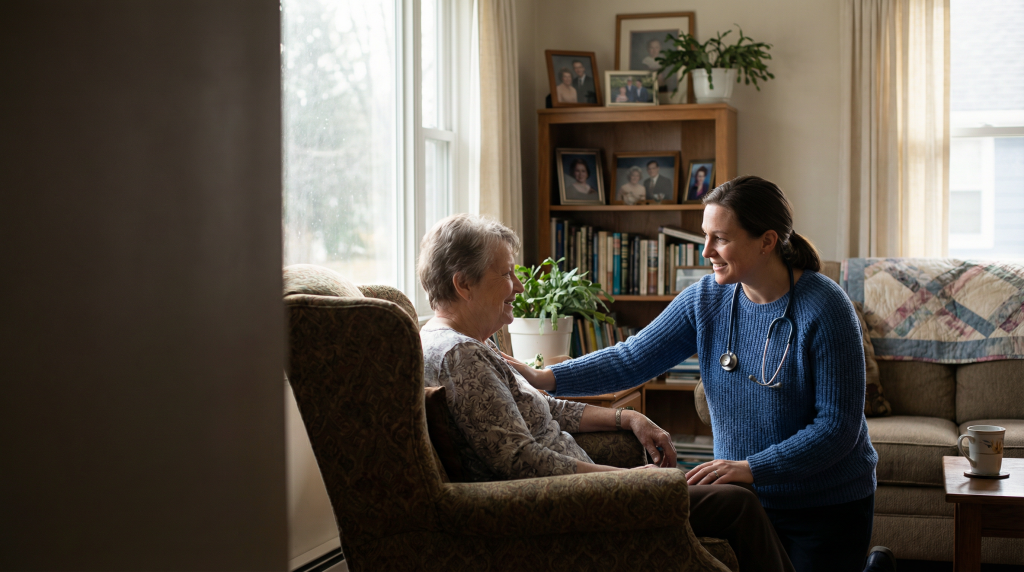
Home health care allows qualified professionals to evaluate, diagnose, and treat various medical conditions in the patient’s familiar environment. This approach not only benefits people with reduced mobility or chronic illnesses but is also ideal for those seeking immediate attention without exposure to crowded waiting rooms.
If you search for “home doctor near me” in your browser, you will find multiple service options that operate 24 hours a day. However, it is essential to understand when this alternative is truly appropriate, what limitations it presents, and how to choose a reliable service that guarantees quality care.
According to studies on home care, this model strengthens the doctor-patient relationship by allowing a more comprehensive evaluation of the patient’s environment, which can reveal determining factors for effective diagnosis and treatment.
What are the typical costs associated with hiring home doctors?
The costs of hiring a home doctor vary significantly depending on multiple factors, including geographical location, the day and time of the consultation, and the complexity of the medical service required. On average, a basic home consultation can range from 50 to 200 euros, although this range can increase considerably for specialized services or outside regular hours.
Factors influencing the price:
- Service hours: Night, weekend, or holiday consultations generally include additional surcharges.
- Travel distance: Providers charge additional fees for travel exceeding 10-15 kilometers.
- Procedure complexity: Services such as suturing, intravenous injections, or nebulizations increase the base cost.
- Included services: Some consultations include basic medications and dressing materials, while others charge for them separately.
For those seeking accessible options, searching for “home doctor near me” can significantly reduce travel costs. However, it is important to consider that home care represents an investment in convenience and time, especially valuable for patients with reduced mobility or chronic conditions requiring frequent follow-ups.
Are there health insurance plans that cover home doctor services?
Insurance coverage for home doctor services varies significantly depending on the type of policy and the insurance provider. Many private insurers in Spain now include home medical visits within their premium packages, recognizing the value of this service for both patients with reduced mobility and urgent situations.
High-end health policies typically cover between 2 to 6 annual home visits at no additional cost, while others require a co-payment ranging from €20 to €50 per consultation. It is important to verify that the home doctor is within the network of professionals authorized by the insurer to guarantee coverage.
The Social Security system also provides home medical care, although it is generally reserved for specific cases where the patient’s travel to the health center is impossible or counterproductive. Primary care doctors usually evaluate each request individually to determine the actual need for home service.
Before contracting a private home doctor service, contact your insurer directly to confirm which services are covered, the limits of annual visits, and if there are pre-existing conditions that may affect coverage. This prior verification can save you unexpected costs and ensure you receive appropriate care when you need it most.
What types of medical conditions can be treated by home doctors?
Home doctor services can address a wide range of medical conditions, although it is essential to understand their scope and limitations. In practice, these professionals are equipped to handle situations that do not require complex hospital infrastructure but warrant immediate medical attention.
Respiratory conditions represent one of the most common reasons for requests. This includes bronchitis, flu, severe colds, and exacerbations of controllable asthma. Doctors can assess oxygen saturation, auscultate the lungs, and provide initial treatment without the patient needing to travel.
Minor infections are also treatable at home: urinary tract infections, gastroenteritis, conjunctivitis, and pharyngitis. For these cases, the doctor can perform physical examinations, take basic samples when necessary, and prescribe antibiotics or other appropriate treatments.
Dermatological issues such as skin rashes, contact dermatitis, infected insect bites, or minor lacerations can be effectively evaluated and treated at home. This is particularly useful for patients with reduced mobility seeking a “home doctor near me” in their area.
Decompensated chronic conditions also fall within the spectrum of home care. Patients with hypertension experiencing fluctuations, diabetics with mild hyperglycemia or hypoglycemia episodes, or individuals with chronic pain requiring medication adjustments can benefit significantly.
Can home doctors provide prescriptions during a home visit?
Yes, doctors who perform home visits are fully authorized to issue prescriptions during home care, provided they have the corresponding professional accreditation. This capability is fundamental to ensuring continuity of treatment without the patient needing to travel to a consultation afterward.
The home prescription process follows the same protocols as a traditional consultation. The doctor performs a complete evaluation, establishes a diagnosis, and, when necessary, prescribes appropriate medications for the patient’s condition. Home medical care allows for the provision of a comprehensive service that includes both diagnosis and pharmacological treatment.
24-hour home doctor services often have digital systems for issuing electronic prescriptions, making it easier for the patient or their family members to acquire prescribed medications at any pharmacy. This is especially valuable in nighttime or weekend situations when traditional options are limited.
However, there is a practical limitation: home doctors cannot prescribe controlled substances that require special prescriptions or additional authorizations on the first visit, which may require follow-up at a specialized medical institution.
Are emergency services available through home doctor providers?
The availability of emergency services through home doctors varies significantly depending on the provider and the type of contract established. It is crucial to understand that most home care services are designed for urgent but non-critical situations, such as high fevers, minor infections, or exacerbations of chronic conditions that require professional evaluation but do not pose an immediate risk to the patient’s life.
Differentiation between urgency and emergency
Home doctor providers generally attend to medical urgencies that require prompt attention within the next 24-48 hours. However, in cases of real emergency—such as heart attacks, severe respiratory distress, severe trauma, or loss of consciousness—the standard protocol remains to immediately contact the 112 emergency system or go to a hospital emergency service.
Some private providers offer 24/7 telephone helplines where medical professionals can assess the severity of the situation and determine whether an urgent home visit or referral to emergency services is required. This initial assessment is fundamental to ensuring that each patient receives the appropriate level of care according to the severity of their condition, thus optimizing available healthcare resources.
home doctor near me
Finding a home doctor near your location is more accessible than ever thanks to digital platforms and local services that connect patients with available doctors in their area. Most services use geolocation systems to assign the closest professional, reducing waiting times and optimizing care.
To locate home doctors in your area, consider these options:
- Specialized mobile applications that show real-time availability.
- Local health centers that offer home care programs.
- Private medical insurance with networks of professionals for home visits.
- Municipal primary care services with home coverage.
Geographical distance directly influences the cost and speed of the service. In urban areas, doctors usually arrive within 60-90 minutes, while in rural areas, times can be longer. Many providers clearly specify their coverage radius on their platforms, typically between 10-20 kilometers from their base of operations.
Always verify the doctor’s credentials before requesting the service, including their collegiate number and specialization. Reliable services provide this information transparently on their platforms, ensuring that you receive care from duly accredited professionals near your home.
24-Hour Home Doctors
The availability of 24-hour home doctors represents one of the most valued services, especially for situations requiring immediate attention outside conventional working hours. However, it is important to understand the differences between available services and true medical emergencies.
Many home healthcare providers offer extended or continuous coverage, although actual availability varies by region and the type of service contracted. These services are primarily designed for minor urgencies that are not life-threatening but require prompt attention: high fever at night, acute abdominal pain, or complications of known chronic conditions.
A practical consideration is that 24-hour services often have differentiated rates depending on the time of service. Night, early morning, or weekend and holiday visits generally cost more than consultations during regular hours. Some private health plans include partial coverage for these urgent visits.
However, in true emergency situations—severe chest pain, severe respiratory distress, loss of consciousness—the correct protocol remains to contact emergency services or go directly to hospital emergency rooms. Home medical services recognize these limitations and usually guide patients to appropriate resources when the situation requires it, thus ensuring patient safety while leveraging the benefits of home care for suitable cases.
Medical Equipment
Home doctors use specialized portable medical equipment that allows them to make accurate diagnoses and administer treatments without needing to transport the patient to a healthcare facility. This equipment includes everything from basic diagnostic elements to more sophisticated devices depending on the type of care required.
The standard medical bag contains a blood pressure monitor, stethoscope, digital thermometer, pulse oximeter, and glucometer, fundamental tools for evaluating vital signs and detecting immediate anomalies. For more specific consultations, professionals may carry otoscopes to examine ears, portable electrocardiogram (ECG) devices, and nebulizers for respiratory problems.
For visits requiring more complex procedures, the equipment can be expanded with suture material, venoclysis equipment, emergency medications, and automated external defibrillators (AEDs). Some services include on-site laboratory tests using portable analyzers that provide rapid results for basic parameters.
The quality of available medical equipment is an important indicator of home care capacity. Professional services maintain strict sterilization protocols and technological updates, ensuring that patients receive care comparable to that of a traditional office. This portability and versatility of equipment make it possible to address a wide variety of medical situations at home.
How can I find a reliable home doctor in my area?
Finding a reliable home medical service requires a systematic approach that balances convenience with credibility. The first step is to verify that providers operate through legitimate healthcare networks or possess the appropriate medical credentials. Many established health systems now offer home visit programs, facilitating access to verified medical professionals through familiar channels.
Start with your primary care network. Contact your current healthcare provider or insurance company to inquire about home visit programs they support or recommend. These affiliated services generally maintain strict quality standards and offer the additional benefit of integrated medical records, ensuring continuity of care.
For independent providers, request verification of their medical license number and compare it with the medical board registry in your region. A reliable provider should voluntarily share their credentials and explain their experience with home visits. A practical approach is to ask about their protocols for emergencies or conditions outside their scope—transparent communication about limitations indicates professionalism.
Online platforms specializing in home medical services often include provider reviews, credentials, and response times. However, prioritize services that clearly display medical qualifications over applications focused solely on convenience. Local hospital systems frequently maintain directories of approved home visit doctors, combining the accessibility of modern technology with institutional oversight.
Word-of-mouth recommendations from neighbors or community groups can reveal providers with established local reputations, although always verify credentials independently. This multi-layered verification process ensures you are receiving care from qualified professionals while understanding what services and costs to expect.
What are the typical costs associated with hiring a home doctor?
The financial investment in home medical services varies considerably depending on the complexity of the service, geographical location, and type of provider. A standard home consultation generally ranges from 50 to 150 euros for basic evaluations, although after-hours emergency visits can exceed 200 euros in metropolitan areas.
Cost factors include:
- Service time (weekends and nights have premium rates)
- Distance traveled by the medical professional
- Specialized equipment or diagnostic tests required
- Duration and complexity of the consultation
Private insurance plans often subsidize these services, reducing out-of-pocket expenses to 20-40 euros per visit for covered members. However, patients should verify their policy details, as coverage terms differ significantly among insurers. Some providers offer subscription-based models for patients with chronic illnesses, bundling multiple monthly visits at discounted rates.
Hospital-affiliated home care programs frequently operate with tiered fees based on household income, making services accessible to diverse economic backgrounds. These institutional programs can also coordinate with public health systems to minimize patient costs for medically necessary visits.
The investment generally proves cost-effective when considering avoided emergency room fees, transportation expenses, and lost work hours—factors that become particularly significant for families managing chronic conditions or caring for elderly relatives with mobility limitations.
Are there health insurance plans that cover home doctor services?
Coverage for home medical services varies significantly depending on your insurance provider, policy type, and regional health systems. Many private health insurance plans in Spain now include home visit benefits as part of comprehensive medical packages, although coverage terms differ substantially among providers.
Public health systems typically cover home medical care for specific patient populations—primarily individuals with severe mobility limitations, chronic conditions requiring continuous monitoring, or post-surgical recovery needs. Research on home health care indicates that public coverage generally requires prior authorization and documented medical necessity that prevents the patient from attending a health center.
Private insurance plans often provide more flexibility in accessing home doctor services. Premium-level policies frequently include a set number of annual home visits without additional co-payments, while mid-range plans may offer discounted rates for these services. However, coverage generally excludes routine consultations that could reasonably be performed in a clinic.
A practical approach is to specifically review the “additional benefits” section of your policy—insurers sometimes group home care services under alternative medicine or supplementary coverage categories. Contact your insurance provider directly to clarify which conditions qualify for coverage, if pre-approval is required, and what percentage of costs they will reimburse. Understanding these details before requesting a home visit prevents unexpected out-of-pocket expenses and helps you maximize available benefits.
What types of medical conditions can be treated by a home doctor?
Home medical services address a remarkably broad spectrum of health conditions, ranging from acute illnesses to the management of chronic diseases. Understanding what qualifies for home treatment helps patients determine when this service represents an appropriate healthcare option.
Acute conditions frequently treated at home include respiratory infections, flu-like symptoms, urinary tract infections, gastrointestinal disorders, minor injuries, and allergic reactions. These situations often require prompt medical attention but do not necessarily warrant emergency room visits. According to semFYC, appropriate home visits focus on patients whose mobility limitations justify home care instead of office consultations.
Chronic disease monitoring represents another crucial category, encompassing diabetes management, hypertension monitoring, wound care, post-surgical follow-ups, and medication adjustments. Home doctors can perform regular evaluations, adjust treatment plans, and coordinate with specialists, all within the familiar home environment.
If you have any further questions about the services offered by SISMA, do not hesitate to contact us both by form and by Whatsapp
