Heatstroke in the over-75s: your summer 2026 protocol for the Costa del Sol and Benidorm

This summer’s figures leave little room for doubt. In June 2026, the MoMo system run by the Carlos III Health Institute attributed 1,029 deaths to excess heat in Spain, more than double the June 2025 figure, and the group most at risk was people over 75 (Euro Weekly News, July 2026). If you’re over 75 and you live on the Costa del Sol or in Benidorm, or you care for someone who is, this guide is for you.
It isn’t a generic list of tips. It’s the protocol our medical teams recommend every summer to the older residents of Fuengirola, Torremolinos, Benidorm, Torrox and Almuñécar, set out so you can put it into practice today.
In 30 seconds: in June 2026, 1,029 people died from heat in Spain (MoMo), more than double the year before; it was the second-hottest June since 1961, at +3.2 °C above average (AEMET). The highest-risk profile: over 75, living alone, with a chronic condition and daily medication. Prevention is decided before the heatwave, not during it.
Why are the over-75s the group most at risk?
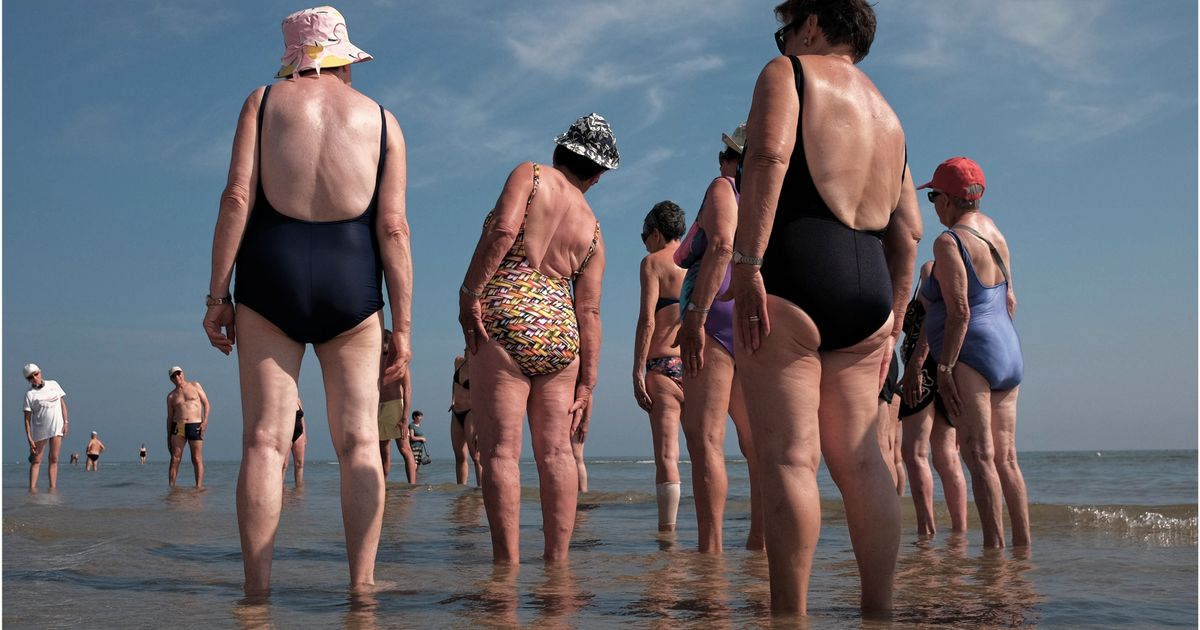
According to the risk profile published alongside the June 2026 MoMo data, the typical victim of extreme heat is someone over 75, living alone, with chronic illnesses and taking medication every day (Euro Weekly News, 2026). It’s no coincidence: as we age, the body loses its ability to sweat, the sensation of thirst fades, and the heart copes less well with the effort of regulating temperature.
On top of that, there’s a factor that’s very much our own: a good many of the coast’s foreign residents live far from their families. Who notices in time if a 78-year-old neighbour hasn’t left a flat sitting at 34 degrees for two days? It’s that practical isolation, rather than the temperature itself, that turns a heatwave into an emergency.
Certain medicines that are common from the age of 70, such as diuretics, blood-pressure tablets, and some antidepressants and sedatives, also alter hydration or the body’s response to heat. You shouldn’t stop them on your own; the right step is to review them with a doctor before the peak of summer.
The summer 2026 data: what we already know
June 2026 was the second-hottest June in Spain since 1961, with an anomaly of +3.2 °C above average and peaks above 40 °C during the spell from 21 to 25 June (AEMET, June 2026 climate summary). And July and August have always been the hardest months.
| Summer 2026 fact | Figure | Source |
|---|---|---|
| Heat-attributable deaths in June | 1,029 (more than double June 2025) | MoMo / ISCIII, via Euro Weekly News |
| Historical ranking of the month | 2nd-hottest June since 1961 | AEMET |
| Temperature anomaly for the month | +3.2 °C above average | AEMET |
| Most severe spell | 21-25 June, peaks > 40 °C | AEMET |
| Group most at risk | Over-75s living alone | MoMo / ISCIII |
The practical takeaway is uncomfortable but useful: the worst of the summer probably hasn’t passed yet. If June has already broken records, the protocol for July and August can’t just be “drink a bit more water”. It has to be a plan.
Heat exhaustion or heatstroke: how do you tell them apart?

The difference matters, because one is treated at home and the other is a life-threatening emergency. We see it every summer in our 24-hour emergency services along the coast: most of the scares start as heat exhaustion that nobody stopped in time.
| Heat exhaustion | Heatstroke (EMERGENCY) | |
|---|---|---|
| Skin | Pale, cool and sweaty | Hot, flushed and often dry |
| Body temperature | Normal or slightly raised | Very high (can exceed 40 °C) |
| Mental state | Dizziness, weakness, nausea | Confusion, slurred speech, fainting |
| What to do | Shade, sips of water, rest and keep watch | Call the 112 emergency number at once and cool the person down |
The sign you must never let slide is a change in behaviour: confusion, odd responses, extreme drowsiness or loss of consciousness. If any of these appear, call the emergency services. Don’t wait “to see if they get better”.
The 7-step summer protocol
Here’s what we recommend getting sorted before the next heatwave, not when the thermometer is already reading 40:
- 1. A summer medical check. An appointment to adjust medication (diuretics, blood pressure, sedatives) and spot risks. It can be done with a home-visit doctor without leaving the house.
- 2. The middle-of-the-day rule. Between 12:00 and 18:00, no street, no beach, no garden. Do the shopping and go for walks before 11:00 or after 19:00.
- 3. Hydration by the clock. A glass of water every hour, thirsty or not. Thirst comes late in older people; the clock never lets you down.
- 4. One cool room at home. A single room with air conditioning or a fan and the blinds down is enough. Check the unit works in June, not on the first night at 30 °C.
- 5. A daily check-in system. If you live alone, agree a daily call or message with a neighbour, relative or carer. A day with no reply means someone goes round to check.
- 6. Phone numbers on display. The 112 emergency number and a 24-hour urgent-care line written up large by the phone, not saved in a mobile you might not manage to unlock while feeling faint.
- 7. A plan for red-warning days. On days with an AEMET warning for extreme heat, zero activity and double the vigilance. You can check them on the AEMET website or on any news bulletin.
Pool and beach: the silent risk after the sun
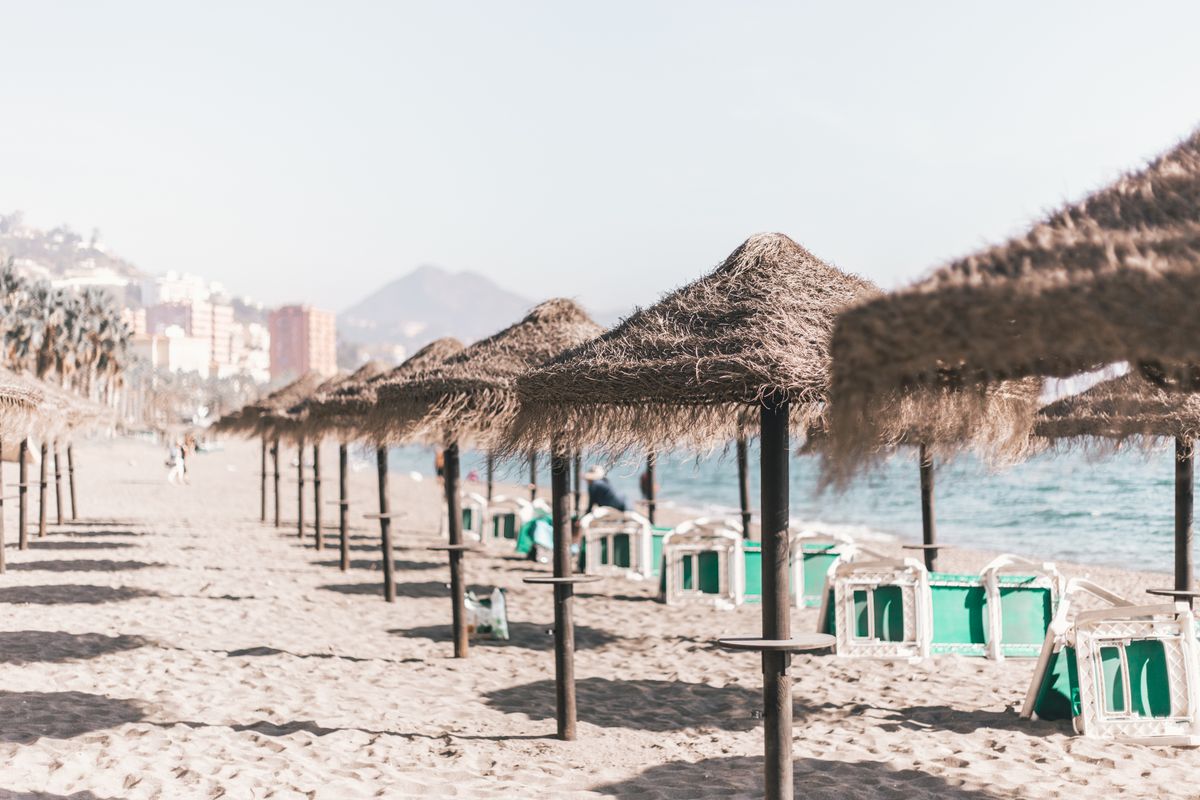
There’s a pattern of summer accident that the coast’s emergency services know well: hours of sun exposure followed, straight away, by a sudden plunge into cold water. The temperature contrast can trigger a blackout in the water, often called a “cold-water shock”, and in an older person the consequences can be serious.
The safe approach is simple: after a long spell in the sun, get into the water gradually (wet the back of the neck, wrists and face first), avoid swimming alone, and choose times and areas with a lifeguard. In August, with the sea like a warm bath and the pools full, this one rule prevents more mishaps than any other.
When should you call an ambulance?
With signs of heatstroke, such as very hot skin, confusion, fainting or a sky-high temperature, call the 112 emergency number (EU-wide) straight away; it’s available in several languages. While help is on its way: move the person into the shade, take off any extra clothing, cool them with water or damp cloths on the neck, armpits and groin, and don’t give them anything to drink if they’re unconscious.
For everything that isn’t a life-threatening emergency but can’t wait, such as persistent dizziness, dehydration, a fever that won’t come down, or an older relative who’s just “not right”, residents of the Costa del Sol and Benidorm also have our 24-hour urgent-care line on +34 624 62 86 00, with care in Spanish, English, German, French and Finnish. Being seen in the patient’s own language isn’t a luxury: in an emergency, language is a vital sign in its own right.
Get ahead of it: the home summer check-up
Almost everything in this guide comes down to one idea: heatstroke is prevented in May and June, and suffered in July and August. If you’re over 75, or you care for someone who is, the easiest way to start is a home check-up: a review of medication, blood pressure, hydration and a personalised heat plan, without leaving the house or queuing in the sun.
👉 Book a home visit from a doctor before the next heatwave, or call us on +34 624 62 86 00. And if you’d like to read on, here we explain how extreme heat affects health in Spain and which emergency symptoms you should never ignore.
Frequently asked questions about heatstroke in older people
Who is most at risk of heatstroke?
According to the June 2026 MoMo data, the group most at risk is people over 75, especially if they live alone, have chronic illnesses and take daily medication. In June 2026 the heat caused 1,029 deaths in Spain, more than double the year before.
What’s the difference between heat exhaustion and heatstroke?
With heat exhaustion the skin is pale and sweaty and there’s dizziness or weakness: it’s treated with shade, water and rest. With heatstroke the skin is very hot and dry, body temperature shoots up, and confusion or fainting sets in: it’s an emergency, and you need to call the 112 emergency number.
What do I do while the ambulance is on its way?
Move the person into the shade or somewhere cool, take off any extra clothing, and cool them with water or damp cloths on the neck, armpits and groin. If they’re conscious, offer small sips of water; if they’re unconscious, don’t give them anything to drink and lay them on their side.
Which medicines increase the risk in hot weather?
Diuretics, some blood-pressure tablets, certain antidepressants and sedatives can encourage dehydration or make it harder for the body to respond to heat. You should never stop them on your own: the right approach is to review them with a doctor before the peak of summer.
I live far from my elderly relative in Spain. How can I protect them from a distance?
Set up a daily call at a fixed time, arrange for a neighbour or carer to look in on heat-warning days, and leave the emergency numbers on display (the 112 emergency number and a 24-hour urgent-care line). A home medical check-up before summer rounds off the plan.
When is it better to call 112 and when to call a private urgent-care service?
If there are signs of a life-threatening condition, such as confusion, loss of consciousness, or very hot, dry skin, always call the 112 emergency number. For non-life-threatening urgent problems (dehydration, persistent dizziness, fever) a 24-hour urgent-care service in your own language can assess you, treat you at home, or arrange a transfer if needed.