Event medical cover on the Costa del Sol and Benidorm: the complete guide for organisers

Organising an event on the Costa del Sol or in Benidorm, whether it’s a wedding with guests from all over Europe, a fun run, a festival or a conference, raises a question hardly anyone asks in time: what happens if someone becomes seriously ill in the middle of it? The right answer is arranged weeks ahead, it’s called medical cover, and in many cases it isn’t optional: the regulations require it.
This guide sums up what we learn every season covering events along the coast: when cover is compulsory, what provision each type of event needs, which factors drive up the risk, and how to arrange it without any last-minute panics.
In 30 seconds: in Spain, the medical provision for an event is regulated by the regions and town councils according to capacity, type of activity and risk; without it, many events won’t get authorisation. Event-medicine guidance recommends planning organised medical support from around 50 attendees. And in summer there’s an extra multiplier: in June 2026 the heat caused 1,029 deaths in Spain (MoMo).
Is medical cover compulsory for an event in Spain?
In many cases, yes. In Spain, the medical-provision requirements for public shows and leisure activities are set by regional regulations and municipal by-laws, based on capacity, the type of activity and its level of risk; for sporting events there’s also specific regulation on medical cover (CASEF, event medical management, consulted July 2026). In practice: without a suitable medical plan, the council can refuse to authorise the event.
And what about private events that don’t need a permit, such as a wedding at a country estate? There the law is usually silent, but the responsibility isn’t: the organiser is liable in civil law for whatever happens to their guests. International event-medicine guidance recommends planning organised medical support from around 50 people, with a designated person in charge and a visible emergency number (Heed Healthcare, Event medical service: what to know, 2025).
The working rule we always give organisers is simple: if you’re bringing more than 50 people together, have a medical plan; if you need council authorisation, have it in writing and properly scaled.
What medical provision does each type of event need?

There’s no single table valid for the whole of Spain, since each authorisation is scaled case by case, but after years covering weddings, races, concerts and conferences on the Costa del Sol and in Benidorm, this is the starting guidance we use ourselves:
| Type of event | Suggested starting provision | Key risk factors |
|---|---|---|
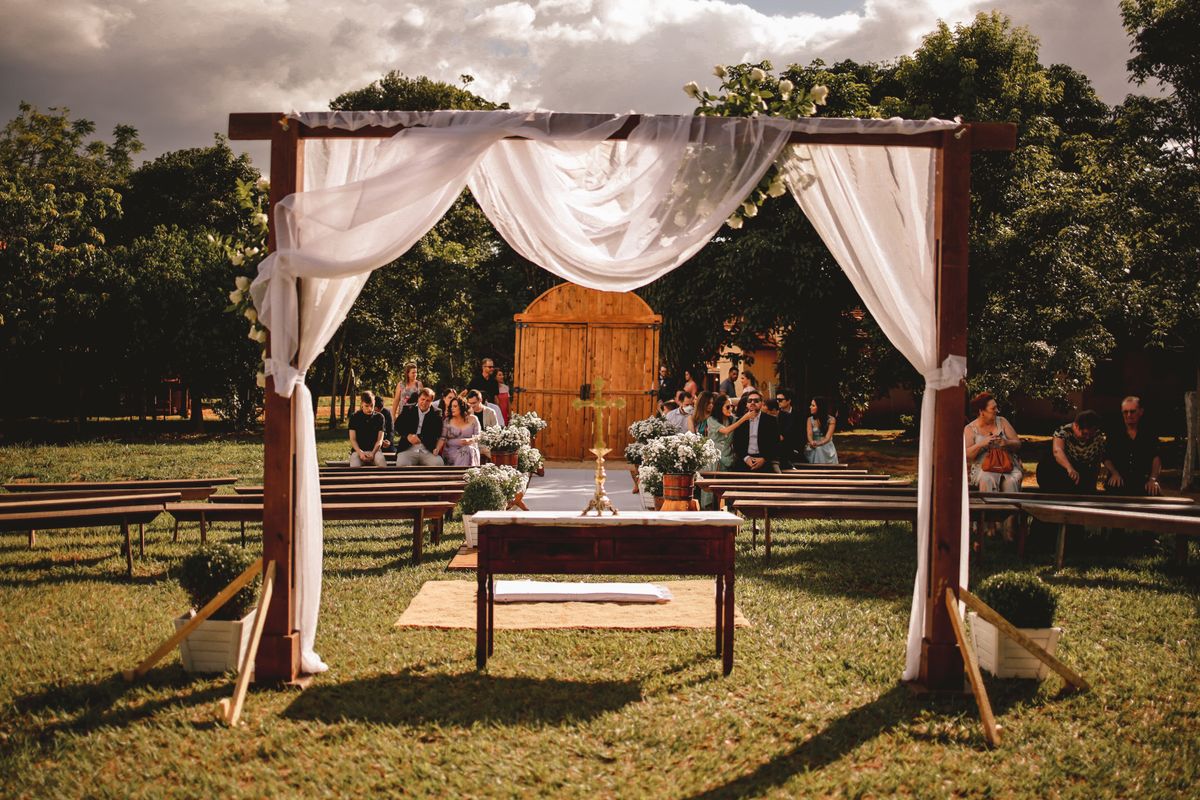
| Wedding or private event (50-300 guests) | Ambulance with medical team on standby | Age of guests, alcohol, heat, remote estate |
| Conference or corporate event | Advanced first-aid post + ambulance depending on capacity | Capacity, age profile, length of the days |
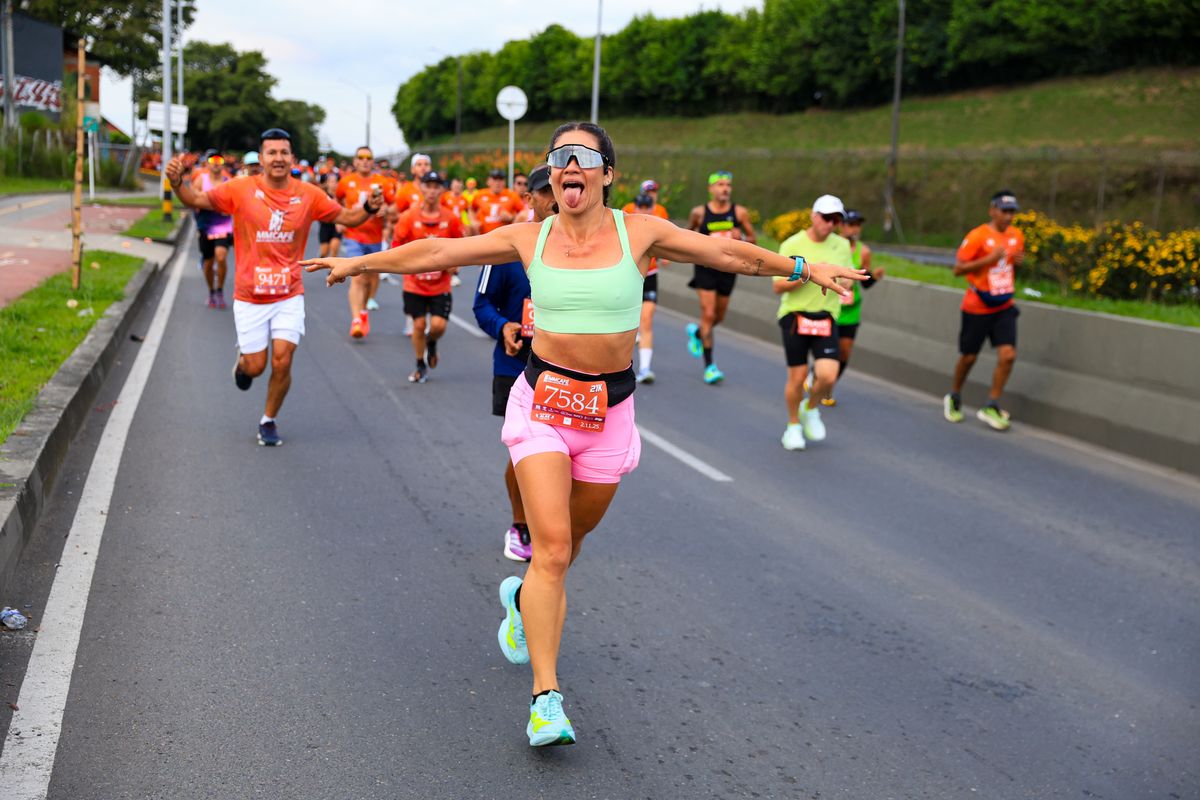
| Fun run / sporting event | Ambulance(s) + life support + hydration points | Physical exertion, heat, spread-out route |
| Concert / festival | Medical post + ambulances depending on capacity and timing | Crowd density, alcohol, late hours |
| High-risk event (motor, height, water) | Reinforced set-up with advanced life support | Set by the regulations and the safety plan |
The final figure should always be set by the scaling of the operation (and, where it applies, by the administrative authorisation). But if your event fits one of these rows, you already know where to start the conversation with your provider.
The 5 factors that drive up an event’s medical risk on the coast
- Heat. It’s no cliché: in June 2026 the MoMo system attributed 1,029 deaths to heat in Spain, and AEMET recorded the second-hottest June since 1961, with peaks above 40 °C (AEMET, 2026). An outdoor afternoon event in July plays in a different risk league.
- The age of the crowd. The Costa del Sol and Benidorm draw plenty of senior residents and tourists. With a crowd over 65-75, cardiovascular and heat-related incidents tend to rise.
- Alcohol. Weddings, festivals and local fiestas all share the same multiplier for falls, dehydration and incidents.
- Density and capacity. 200 people seated is not the same as 2,000 on their feet in front of a stage: density complicates both the number of incidents and the medics’ access.
- The distance to hospital. An estate up in the hills of Torrox or a tucked-away beach bar lengthens response times; the set-up has to make up for it with on-site resources.
Does your event tick three or more of these boxes? Then medical cover isn’t a formality: it’s the difference between an anecdote and a headline.
What does an event medical cover service include?
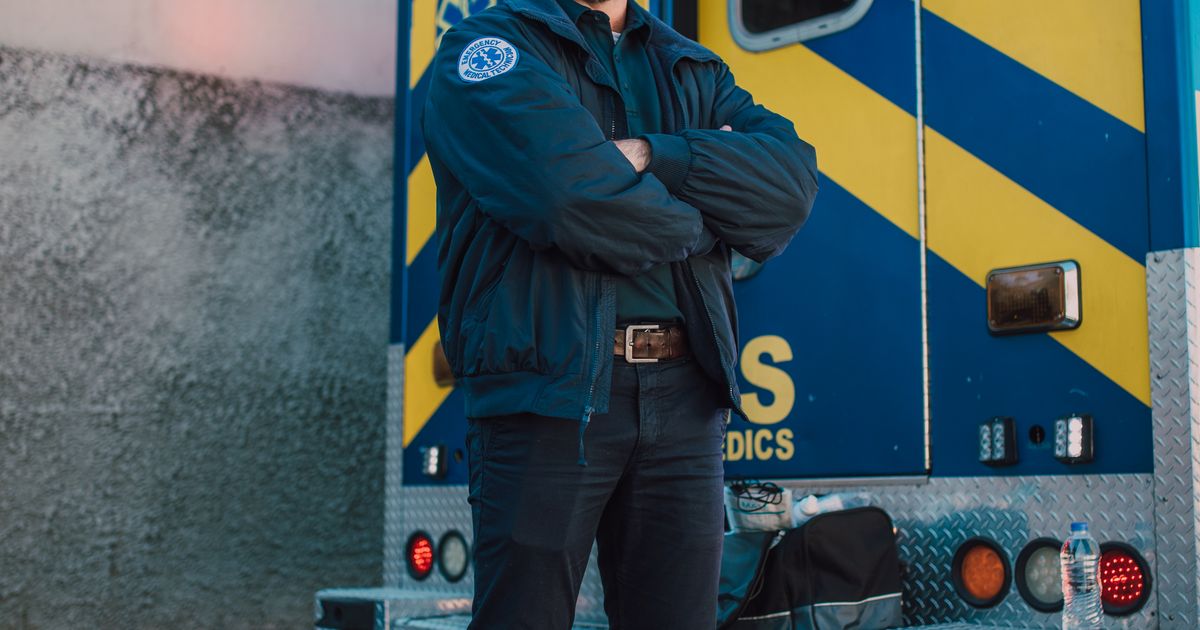
A professional set-up adapts to the event, but its building blocks are always the same. With our event cover service the package is built from:
- On-site ambulance(s), offering basic or advanced life support depending on the event’s risk. If you’re unsure which you need, here we explain the difference between an equipped ambulance and a basic one.
- Medical staff (technicians, nurses and a doctor when the set-up calls for it), in uniform and built into the event’s safety plan.
- A signposted first-aid post for minor problems, which avoids needless transfers and keeps the ambulance free for what matters.
- Coordination with the 112 emergency number and with the area’s reference hospitals, so an urgent transfer doesn’t come down to improvising.
- Multilingual care in Spanish, English, German, French and Finnish — at an event with international guests, being able to explain your symptoms in your own language changes the outcome.
- A follow-up report on any incidents, useful for the event’s insurance and for the record some councils ask for.
How to arrange cover step by step (and how far in advance)
Arranging medical cover is simpler than it looks if you do it with some lead time. This is our standard process with organisers:
- 1. Tell us about the event (2 minutes): date, exact location, timings, estimated capacity, type of crowd and activity. With that we scale the set-up.
- 2. Get your quote with the proposed provision and the reasoning behind it, ready to attach to your authorisation application if you need one.
- 3. Lock in the date early. For weddings and small events, 2-4 weeks is usually enough; for races, festivals or peak-season dates (June to September), book 1-2 months ahead: event ambulances sell out like the good caterers.
- 4. On the day, forget about it. The team arrives before the doors open, coordinates with security and the organisers, and stands down once the last guest is safe.
👉 Request a quote for your event cover or call us on +34 624 62 86 00. We reply with a properly scaled proposal, not a generic price.
Why choose a local provider on the Costa del Sol and Benidorm?
Because event medical cover is, above all, local logistics: knowing how long it really takes from that estate to the nearest hospital, what each council requires, and where to position the ambulance so it can leave without cutting through the crowd. We run 24-hour ambulances and our own medical centres in Fuengirola, Torremolinos, Benidorm, Torrox and Almuñécar, and we cover events all along the coastal strip.
And because your crowd is international even when your event is local: half the guests at a wedding on the coast may not speak Spanish. A set-up that provides care in five languages turns a bad moment into a well-handled incident.
Frequently asked questions about event medical cover
How many attendees make an ambulance necessary at an event?
As a working benchmark, event-medicine guidance recommends organised medical support from around 50 people, and the provision grows with capacity and risk. The exact number is set by the scaling of the operation and, for authorised events, by the applicable regional or municipal regulations.
Is medical cover compulsory for a private wedding?
The law usually doesn’t require it for private celebrations without administrative authorisation, but the organiser is liable in civil law for their guests. With more than 50 attendees, a senior crowd, alcohol and summer heat, arranging a standby ambulance is the recommended practice — and what more and more estates and wedding planners now ask for.
How far in advance should I arrange cover?
For small events, 2-4 weeks is usually enough. For races, festivals or dates from June to September on the Costa del Sol and in Benidorm, it’s wise to book 1-2 months ahead: the availability of ambulances and event staff runs out in peak season.
What’s the difference between a basic and an advanced life-support ambulance for my event?
The basic life-support one covers care and transfers with no immediate risk to life; the advanced one carries the equipment and staff for serious emergencies (cardiac support, emergency medication). The type of event, the capacity and the profile of the crowd determine which one fits, and sometimes the answer is both.
Does the heat change the provision my event needs?
Yes, a great deal. In June 2026 the heat caused 1,029 deaths in Spain according to MoMo, with older people the worst-affected group. A summer outdoor event should reinforce hydration, shade and medical vigilance, and consider evening or night-time timings; the set-up is scaled with that in mind.
What if the event is on a beach or in a public space?
Public spaces require council authorisation, and that authorisation usually determines the event’s medical provision. On top of that, beaches and remote areas lengthen access and evacuation times, so the set-up has to be reinforced on site. A local provider knows the requirements of each council in the area.